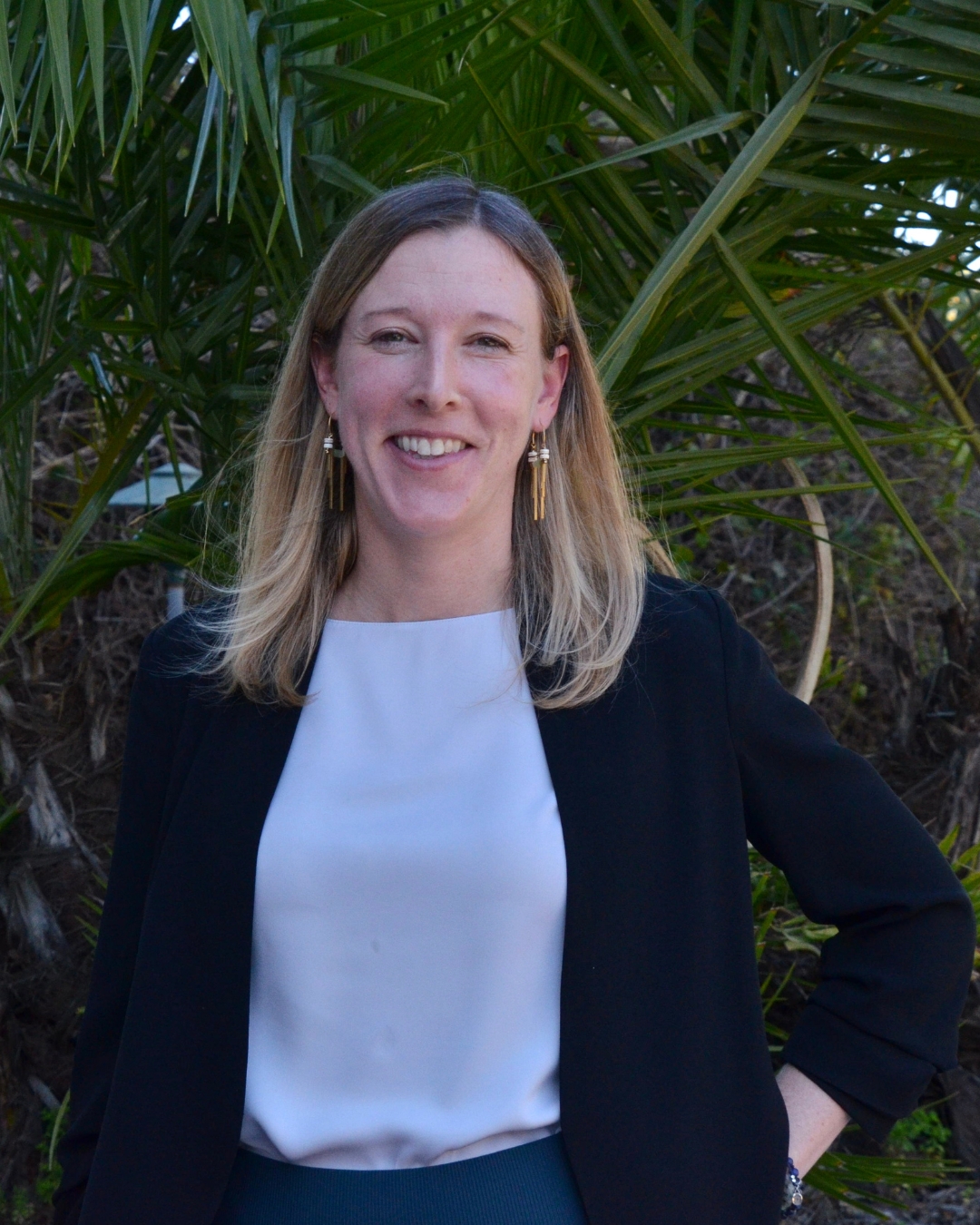
Professor Julia Morse studies the politics of information, focusing on how legitimacy, compliance, and communication shape political behavior. Drawing on experience working within the FBI and federal bodies, her research examines how information is presented, interpreted, and manipulated in the digital age. From banking regulation to the role of disinformation in the international arena, Morse explores how narratives shape power and policy. Learn more about how her work connects international governance and 21st century political communication.
Professor Julia Morse’s interest in international governance began early—long before graduate school, or even college. According to her mother, her interest began in fifth grade, when Morse wrote a paper on the European Union. Her curiosity deepened with time, driven by questions on international cooperation, governance, and how political systems operate across borders.
After graduating from college, Morse found herself in an unexpected role: as an intelligence analyst in the FBI’s counterintelligence division. The position wasn’t something she had planned—it came from sending out dozens of applications after graduation. However, the role and her openness to opportunity would become a defining feature of her career.
Morse also highlights her work as a Presidential Management Fellow at the US Department of State. Collaborating with multiple branches of government, she sharpened her understanding of the central role of information in politics. She was initially drawn to the politics of information from an interest in regulations and compliance—how institutions try to get actors to follow rules. Over time, however, her perspective shifted. Rather than asking whether actors comply, Morse began asking why they do—or don’t. She became interested in legitimacy, subversion, and the subtle ways information is used to encourage or coerce behavior.
Her research has produced particularly potent insights from studying the banking system. She highlights the critical role of the Financial Action Task force, which maintains a list of countries deemed high-risk for serious financial crimes such as money laundering and terrorist financing. These lists, she found, don’t always function through direct enforcement. Instead, they operate implicitly, creating incentives for banks to essentially choose regulation themselves. This indirect governance— where presentation, framing and perceived legitimacy work alongside formal rules—became central to her work.
At UCSB, Morse’s research continues to evolve, especially as it relates to the digital age. She highlights how traditional media has been replaced by fragmented information ecosystems shaped by disinformation, misinformation, and virality. Increasingly, people receive information through social media rather than official government websites, opening new avenues for foreign actors to influence political discourse.
What sets Morse apart is her insistence on complexity. She emphasizes the importance of approaching problems from multiple perspectives, showing how institutions alone cannot explain political outcomes. Through collaborations with scholars like Professor Bruce Bimber, she bridges international relations and political communication, helping us understand power, persuasion, and legitimacy in a rapidly changing information landscape.