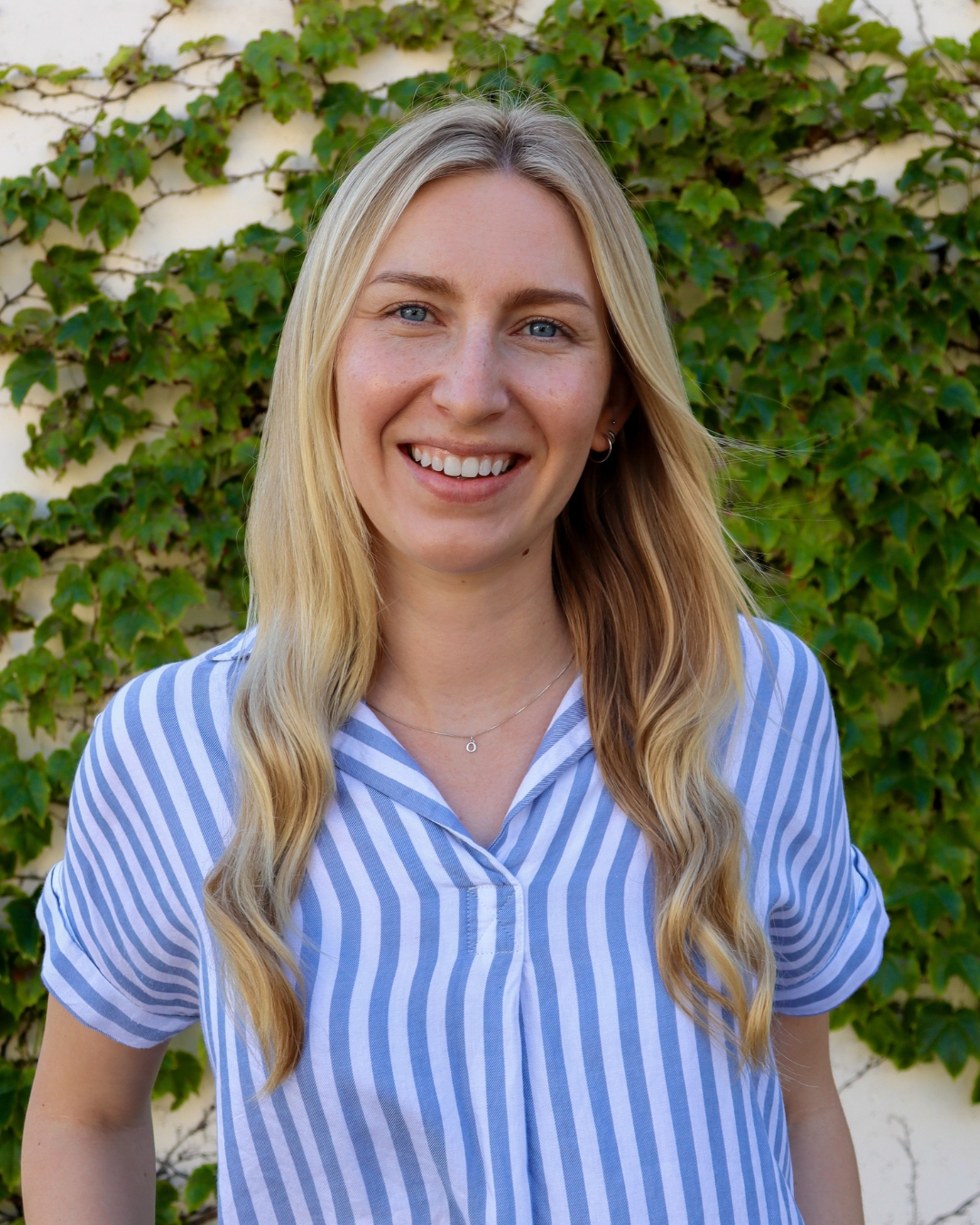
Taylor Trummel is a political scientist whose research explores immigration, perceptions of fairness, and political identity in the United States. Through her work on state-level immigration policy, she challenges the idea that Latino communities can be treated as a single political bloc. Inspired by personal experience, Trummel’s research examines how policies shape belonging, linked fate, and public attitudes. She is now preparing for a new chapter, having recently accepted a tenure-track offer as an Assistant Professor of American Politics at Denison University in the Department of Politics and Public Affairs. Learn more about how her work reframes immigration beyond “pro” versus “anti” debates.
Taylor Trummel did not initially set out to study immigration politics. Like many students interested in global affairs, she once imagined a future in diplomacy or the State Department. However, over time, that path no longer felt right. Shifting her focus toward international relations, Trummel became more interested in the deeper political forces shaping people’s lives. Pursuing a PhD carried symbolic importance—particularly within her family.
Trummel’s early PhD interests centered around understanding gender representation in Latin America. However, with time, coursework and mentorships at UCSB reshaped her trajectory. Classes on immigration and personal experiences introduced her to new questions about the history of immigration policy and its long-term consequences. Trummel wanted to find ways to explain political attitudes about immigrant communities — even before recent surges in “anti- immigrant sentiment.” Immigration has surged into the national spotlightIn an increasingly divided political environment, her research interrogates how immigration policies are framed for the public.
At the core of Trummel’s work is a desire to move beyond the binary “pro” versus “anti” immigration. In her paper, “Inclusive State Policies, Stronger Identities: The Impact of Policy on Latino Immigrant Linked Fate,” she examines how state-level immigration policies shape political identity among Latine immigrants. Uniquely, Trummel’s research highlights the role of intragroup tensions in electoral politics and political organizing.
However, her work goes beyond the binary of pro vs. anti immigration this challenge. Through her own lived experiences and accounts from Americans across the country – she found the missing piece. Trummel is particularly interested in how shifting statewide policy is often overshadowed by federal debates. Most recently, she explains how states either reinforce or resist federal immigration pressure, shaping how policies are experienced in everyday life. Drawing on theories of fairness and redistribution—including absolute equality, need-based fairness, and investment—she explores how narratives like ‘cutting the line’ gain traction, even among marginalized groups. These perceptions of unfair distribution often fuel anti-immigrant rhetoric.
By grounding her work in causal research design and lived experience, Trummel defines immigration as a policy area where fairness, identity, and belonging intersect. In doing so, she offers a more nuanced understanding of how policies can strengthen democratic ties rather than undermine them. Now, Trummel is preparing for a new chapter, having recently accepted a tenure-track offer as an Assistant Professor of American Politics at Denison University in the Department of Politics and Public Affairs.